
A Short History of the School
More than a century of Christ-centred education in the Cayman Islands - from a single classroom in East End to one of the islands' leading schools.
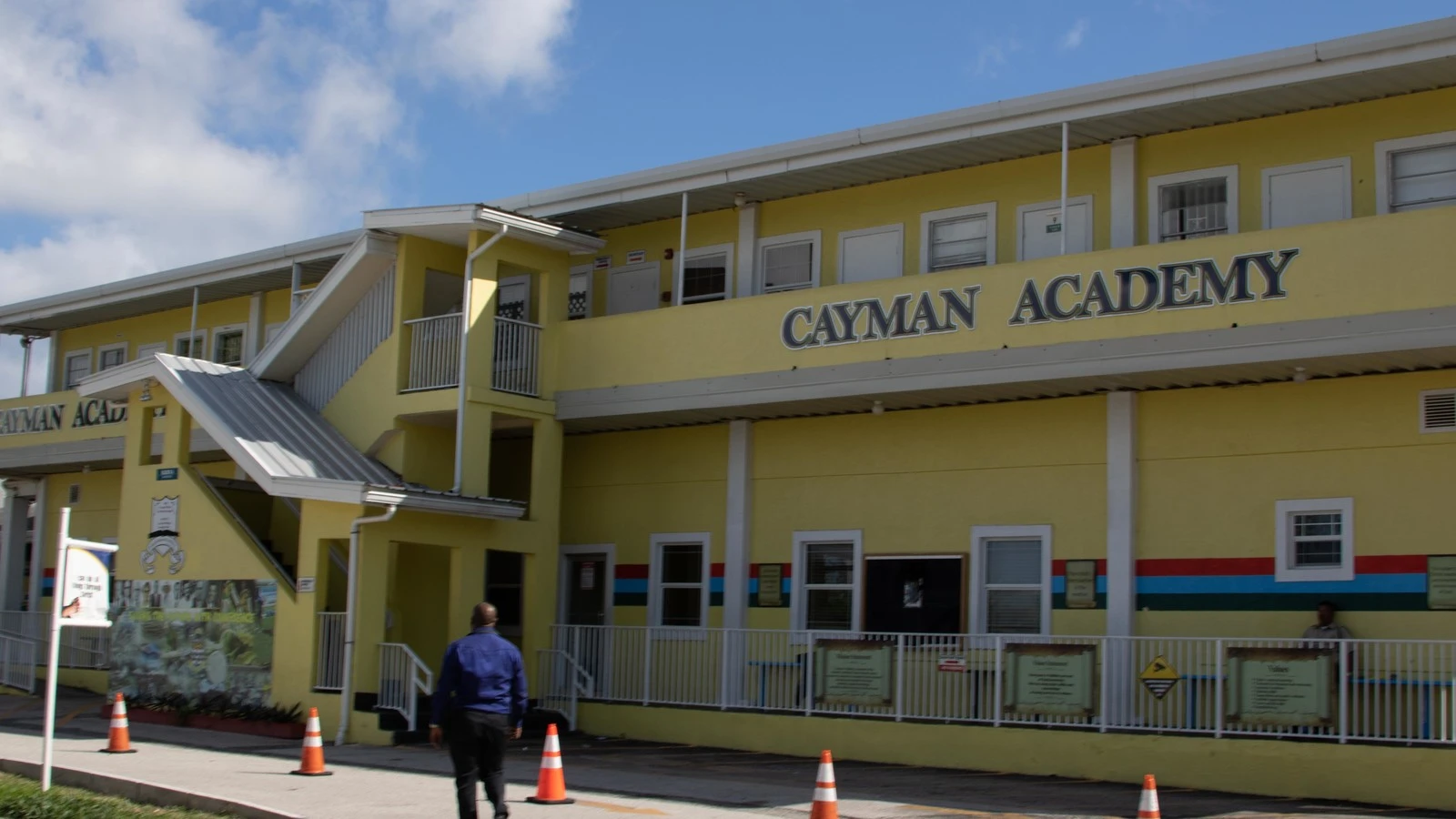
Our Journey
- 1908
Where it all began
The roots of Cayman Academy trace back to 1908, when the first Seventh-day Adventist school in the Cayman Islands was established in East End, Grand Cayman, based on oral accounts from Mrs. Cicely Pierson.
- 1944
A home opens its doors
A second phase began in 1944, when Miss Gleeda Forbes opened her home to seven students. Rapid growth followed, with enrolment reaching approximately 180 students by 1948, leading to multiple relocations over the next decades.
- Late 1950s
A new chapter of leadership
During the late 1950s, the school entered a third phase marked by a transition from American to Jamaican leadership under the West Indies Union. Key contributors included Garfield and Cyril Newman. During this period, organizational challenges led to temporary closure and restructuring.
- 1960s
Edmer School
The modern phase began in the 1960s, when the institution was reorganized and strengthened. In 1967, it was renamed Edmer School in honour of Miss Clara Eden (Ed-) and Mr. George Merren (-mer). With the support of Pastor A. Lyle and church members, a new building was constructed, revitalizing Adventist education in the Cayman Islands.
- 1980s
Steady growth
From the 1980s onward, the school experienced steady growth in leadership, infrastructure, and academic programs. Notable developments included the expansion of facilities, the establishment of a kindergarten division, the creation of a computer lab, and strengthened community involvement through PTA and alumni associations.
- Early 2000s
A time of transformation
In the early 2000s, significant transformation took place under strong leadership. Academic programs expanded, student enrolment increased, and facilities were modernized, including the addition of science and computer labs, a music department, and improved learning spaces. The high school division was re-established, and the institution gained recognition through regional competitions and CXC examination success.
- 2004
Cayman Academy
In 2004, the school was officially renamed Cayman Academy, reflecting its expanded vision and mission. Continued advancements in policy development, academic performance, extracurricular participation, and infrastructure followed under successive leaders.
- 2020
Rated “Good”
By 2020, Cayman Academy earned a “Good” rating from the Office of Education Standards and is now recognized as one of the leading schools in the Cayman Islands, continuing its legacy of academic excellence and Christian education.
Cayman Academy, a member of the Atlantic Caribbean Union school system, empowers students in a dynamic Christ-centered learning environment to develop character, acquire knowledge, and utilize skills for service to God and man.
Everyone a faithful servant of God, honoring Him by using their skills and knowledge in loving service to others.
The School’s Philosophy
The Seventh-day Adventist philosophy of education is Christ-centred. Adventists believe that, under the guidance of the Holy Spirit, God’s character and purposes can be understood as revealed in the Bible, in Jesus Christ, and in nature. The distinctive characteristics of Adventist education - derived from the Bible and the writings of Ellen G. White - point to the redemptive aim of true education: to restore human beings into the image of their Maker.
… Adventist education imparts more than academic knowledge. It fosters a balanced development of the whole person - spiritually, intellectually, physically, and socially. Its time dimensions span eternity. It seeks to develop a faith in God and respect for the dignity of all human beings, to build character akin to that of the Creator; to nurture thinkers rather than mere reflectors of others’ thoughts; to promote loving service rather than selfish ambition; to ensure maximum development of each individual’s potential and to embrace all that is true, good, and beautiful.
Cayman Academy is a part of the Atlantic Caribbean Union of Seventh-day Adventists School System and as such shares common values.
© All Rights by Cayman Academy